Chuẩn mực kiểm toán báo cáo tài chính là hệ thống các quy định, hướng dẫn về yêu cầu, nguyên tắc cơ bản và các thủ tục kiểm toán mà kiểm toán viên phải tuân thủ. Bước sang năm 2026, Việt Nam chứng kiến sự chuyển mình mạnh mẽ khi nhiều doanh nghiệp lớn bắt đầu áp dụng tự nguyện hoặc bắt buộc chuẩn mực báo cáo tài chính quốc tế (IFRS), khiến vai trò của các chuẩn mực kiểm toán càng trở nên then chốt trong việc bảo vệ tính minh bạch của thị trường vốn.
Tính đến đầu năm 2026, việc tuân thủ chuẩn mực kiểm toán báo cáo tài chính giúp doanh nghiệp không chỉ đáp ứng yêu cầu pháp lý theo Thông tư 214/2012/TT-BTC mà còn đáp ứng các tiêu chuẩn khắt khe về ESG (Môi trường – Xã hội – Quản trị). Theo quy định tại Luật Kiểm toán độc lập và các văn bản cập nhật mới nhất, việc kiểm toán không còn đơn thuần là kiểm tra con số mà là quá trình xác nhận giá trị bền vững của doanh nghiệp trước các đối tác toàn cầu.
Hệ thống pháp lý điều chỉnh chuẩn mực kiểm toán báo cáo tài chính tại Việt Nam
Để hiểu rõ về chuẩn mực kiểm toán báo cáo tài chính, trước hết chúng ta cần nắm vững khung pháp lý nền tảng đã được kiện toàn cho giai đoạn 2025-2030. Hoạt động kiểm toán hiện nay được điều chỉnh bởi các văn bản quy phạm pháp luật cập nhật, nhằm tương thích tối đa với các chuẩn mực kiểm toán quốc tế (ISA).

Luật Kiểm toán độc lập và lộ trình IFRS 2026
Luật Kiểm toán độc lập số 67/2011/QH12 vẫn là nền tảng, nhưng các Nghị định hướng dẫn trong năm 2026 đã chú trọng hơn vào việc kiểm soát chất lượng kiểm toán đối với các báo cáo tài chính lập theo IFRS. Việc áp dụng chuẩn mực kiểm toán báo cáo tài chính trong năm này đòi hỏi kiểm toán viên phải có chứng chỉ phù hợp và am hiểu sâu về sự khác biệt giữa VFRS (Chuẩn mực Việt Nam) và IFRS.
Việc thực hiện đúng chuẩn mực kiểm toán báo cáo tài chính giúp doanh nghiệp an toàn trước các đợt hậu kiểm của Ủy ban Chứng khoán Nhà nước và Bộ Tài chính. Mức phạt hành chính cho sai sót trong công bố thông tin đã kiểm toán hiện nay đã được điều chỉnh tăng mạnh nhằm răn đe các hành vi gian lận tài chính tinh vi.
Thông tư 214/2012/TT-BTC và định hướng cập nhật
Dù Thông tư 214/2012/TT-BTC vẫn là “trái tim” của hệ thống VSA, nhưng các hướng dẫn bổ sung về kiểm toán ước tính kế toán (VSA 540) và đánh giá rủi ro trong môi trường công nghệ số (VSA 315) đã được chú trọng đặc biệt trong năm 2026.
Dưới đây là bảng tổng hợp các nhóm chuẩn mực then chốt và xu hướng áp dụng trong năm 2026:
| Nhóm Chuẩn mực | Ký hiệu | Trọng tâm năm 2026 |
| Trách nhiệm của KTV | VSA 200 – 299 | Đạo đức nghề nghiệp và trách nhiệm đối với gian lận công nghệ cao. |
| Đánh giá rủi ro | VSA 315 (Update) | Đánh giá hệ thống kiểm soát nội bộ dựa trên dữ liệu lớn (Big Data). |
| Bằng chứng kiểm toán | VSA 500 – 599 | Sử dụng bằng chứng điện tử và xác nhận số dư qua nền tảng số. |
| Báo cáo kiểm toán | VSA 700 – 720 | Công bố các vấn đề kiểm toán trọng yếu (KAM) minh bạch hơn. |
Vai trò của chuẩn mực kiểm toán đối với quyết toán Thuế năm 2026
Trong năm 2026, cơ quan Thuế đã áp dụng hệ thống quản lý rủi ro tự động hóa. Một báo cáo tài chính tuân thủ tốt chuẩn mực kiểm toán báo cáo tài chính sẽ giúp doanh nghiệp rơi vào “Nhóm rủi ro thấp”, từ đó giảm tần suất thanh tra trực tiếp tại trụ sở.
Các số liệu đã qua kiểm toán theo chuẩn mực kiểm toán báo cáo tài chính giúp việc giải trình các khoản chi phí không bằng tiền trở nên thuyết phục hơn. Đặc biệt, đối với các doanh nghiệp được hưởng ưu đãi thuế, báo cáo kiểm toán là tài liệu bắt buộc để chứng minh tính hợp lệ của điều kiện hưởng ưu đãi.
Các nguyên tắc cơ bản trong chuẩn mực kiểm toán báo cáo tài chính
Việc thực hiện chuẩn mực kiểm toán báo cáo tài chính trong năm 2026 không chỉ dừng lại ở các nguyên tắc truyền thống mà còn tích hợp các tiêu chuẩn đạo đức số. Sự tin tưởng của nhà đầu tư vào báo cáo tài chính phụ thuộc hoàn toàn vào tính kỷ luật của đội ngũ kiểm toán viên.
Tính độc lập trong kỷ nguyên dữ liệu tập trung
Độc lập vẫn là nguyên tắc sống còn. Trong năm 2026, khi dữ liệu tài chính của doanh nghiệp thường được lưu trữ tập trung trên Cloud, chuẩn mực kiểm toán báo cáo tài chính yêu cầu kiểm toán viên phải độc lập cả về mặt hệ thống thông tin, đảm bảo không có sự can thiệp làm thay đổi log dữ liệu trong quá trình kiểm tra.
Sự khách quan buộc kiểm toán viên phải đánh giá các giá trị hợp lý (Fair Value) của tài sản – một yêu cầu cực kỳ phức tạp khi áp dụng IFRS. Khi thực hiện chuẩn mực kiểm toán báo cáo tài chính, mọi kết luận về giá trị thị trường của tài sản tài chính phải có nguồn gốc dữ liệu minh bạch và mô hình định giá chuẩn mực.
Thái độ hoài nghi nghề nghiệp trước trí tuệ nhân tạo (AI)
Năm 2026, nhiều doanh nghiệp đã sử dụng AI để hạch toán kế toán. Do đó, chuẩn mực kiểm toán báo cáo tài chính yêu cầu kiểm toán viên phải duy trì thái độ hoài nghi cao độ đối với các bút toán tự động. Kiểm toán viên cần đặt câu hỏi: “Thuật toán có bị sai lệch không?” hay “Có sự can thiệp thủ công vào mã nguồn không?”.
Ví dụ, nếu AI tự động ghi nhận doanh thu dựa trên các đơn hàng trực tuyến, kiểm toán viên phải đối soát trực tiếp với dữ liệu thanh toán từ cổng ngân hàng. Điều này giúp đảm bảo tính có thật, thay vì chỉ tin vào báo cáo xuất ra từ phần mềm nội bộ khi thực hiện chuẩn mực kiểm toán báo cáo tài chính.
Quy trình thực hiện chuẩn mực kiểm toán báo cáo tài chính hiện đại
Quy trình kiểm toán năm 2026 đã chuyển dịch từ kiểm tra mẫu sang kiểm toán toàn bộ dữ liệu nhờ ứng dụng công nghệ (Audit Data Analytics).
Lập kế hoạch dựa trên phân tích rủi ro thông minh
Tại giai đoạn lập kế hoạch, kiểm toán viên sử dụng các công cụ phần mềm để quét toàn bộ nhật ký chung. Theo chuẩn mực kiểm toán báo cáo tài chính, việc xác định mức trọng yếu giờ đây được tính toán dựa trên nhiều kịch bản biến động thị trường, đặc biệt là rủi ro về tỷ giá và giá hàng hóa thế giới năm 2026.
Thực hiện thủ tục kiểm toán thực địa và kiểm toán từ xa
Sự kết hợp giữa kiểm toán tại chỗ và kiểm toán từ xa đã trở thành tiêu chuẩn trong chuẩn mực kiểm toán báo cáo tài chính. Các thủ tục bao gồm việc sử dụng Flycam/Drone để quan sát kiểm kê hàng tồn kho tại các kho bãi diện tích lớn hoặc đối chiếu số dư qua blockchain đối với các tài sản số.
Phân tích sâu các chỉ số tài chính bằng các mô hình dự báo cũng giúp phát hiện bất thường nhanh chóng. Những phương pháp này đảm bảo tính đầy đủ của bằng chứng theo đúng tinh thần của các chuẩn mực kiểm toán báo cáo tài chính hiện đại.
Công bố báo cáo kiểm toán và các vấn đề trọng yếu (KAM)
Báo cáo kiểm toán năm 2026 yêu cầu tính chi tiết cao hơn. Theo chuẩn mực kiểm toán báo cáo tài chính, kiểm toán viên phải trình bày thêm các “Vấn đề kiểm toán trọng yếu” (Key Audit Matters) – những phần hành khó nhất hoặc rủi ro nhất trong cuộc kiểm toán để cổ đông nắm bắt rõ tình hình đơn vị.
| Loại ý kiến | Tác động đến xếp hạng tín nhiệm 2026 |
| Chấp nhận toàn phần | Tín nhiệm hạng A, dễ dàng huy động vốn quốc tế. |
| Ngoại trừ | Cần giải trình chi tiết với ngân hàng và cơ quan thuế. |
| Trái ngược/Từ chối | Nguy cơ bị đình chỉ giao dịch trên sàn chứng khoán. |
Những sai sót thường gặp và bài học kinh nghiệm năm 2026
Bối cảnh kinh tế biến động năm 2026 khiến các sai sót trong báo cáo tài chính trở nên tinh vi hơn, đòi hỏi sự tuân thủ nghiêm ngặt chuẩn mực kiểm toán báo cáo tài chính.
Sai lệch trong đánh giá giá trị hợp lý và tổn thất tài sản
Khi Việt Nam tiến gần hơn tới IFRS, việc đánh giá tổn thất tài sản (IAS 36) thường bị bỏ qua hoặc tính toán sai. Chuẩn mực kiểm toán báo cáo tài chính yêu cầu doanh nghiệp phải xem xét các dấu hiệu giảm giá trị tài sản định kỳ. Việc lờ đi các khoản lỗ chưa thực hiện này sẽ dẫn đến ý kiến ngoại trừ từ kiểm toán viên.
Rủi ro từ các giao dịch với bên liên quan
Năm 2026, cơ quan Thuế siết chặt kiểm tra giao dịch liên kết. Nhiều doanh nghiệp cố tình che giấu bản chất các khoản vay nội bộ. Theo chuẩn mực kiểm toán báo cáo tài chính (VSA 550), kiểm toán viên có trách nhiệm truy xuất tận cùng chủ sở hữu hưởng lợi để công bố đầy đủ trong thuyết minh báo cáo tài chính.
Kết luận
Chuẩn mực kiểm toán báo cáo tài chính trong năm 2026 đã trở thành nền tảng số hóa giúp doanh nghiệp minh bạch hóa dòng tiền và khẳng định vị thế quốc tế. Việc chuẩn bị sớm cho các thay đổi về chuẩn mực, đặc biệt là lộ trình IFRS, sẽ là chìa khóa để doanh nghiệp tránh được các rủi ro pháp lý và tài chính không đáng có.
Tại MAN – Master Accountant Network, chúng tôi đón đầu các xu hướng kiểm toán năm 2026 bằng việc áp dụng các phần mềm hiện đại và đội ngũ chuyên gia am hiểu tường tận IFRS cũng như chuẩn mực kiểm toán báo cáo tài chính. MAN không chỉ giúp bạn hoàn thiện báo cáo tài chính mà còn tư vấn chiến lược để tối ưu hóa cấu trúc thuế và quản trị rủi ro doanh nghiệp.
Các dịch vụ khác
- Dịch vụ kiểm toán báo cáo tài chính
- Dịch vụ kiểm toán nội bộ
- Dịch vụ Đánh giá hệ thống kiểm soát nội bộ
- Dịch vụ kiểm toán theo yêu cầu
- Dịch vụ kiểm toán thuế chuyên nghiệp
- Dịch vụ kiểm toán xây dựng
- Dịch vụ kiểm toán quyết toán dự án hoàn thành
Thông tin liên hệ dịch vụ tại MAN – Master Accountant Network
- Địa chỉ: Số 19A, đường 43, phường Tân Thuận, TP. Hồ Chí Minh
- Mobile/Zalo: 0903 963 163 – 0903 428 622
- Email: man@man.net.vn
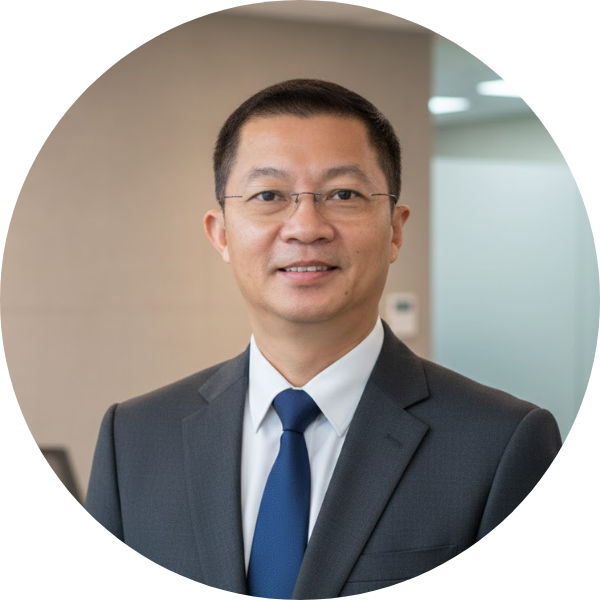
Phụ trách sản xuất nội dung bởi: Ông Lê Hoàng Tuyên – Sáng lập viên (Founder) & CEO MAN – Master Accountant Network, Kiểm toán viên CPA Việt Nam với hơn 30 năm kinh nghiệm trong ngành Kế toán, Kiểm toán và Tư vấn Tài chính.
Các câu hỏi thường gặp về chuẩn mực kiểm toán báo cáo tài chính năm 2026
Lộ trình áp dụng IFRS năm 2026 có bắt buộc đối với mọi doanh nghiệp không?
Hiện tại, IFRS bắt buộc áp dụng đối với công ty mẹ của tập đoàn kinh tế nhà nước, công ty niêm yết và công ty đại chúng quy mô lớn. Các doanh nghiệp khác vẫn thực hiện theo chuẩn mực kế toán Việt Nam (VARS). Dù áp dụng khung nào, việc tuân thủ chuẩn mực kiểm toán báo cáo tài chính vẫn là yêu cầu cốt lõi.
Kiểm toán viên có kiểm tra các báo cáo ESG không?
Có. Từ năm 2026, các thông tin phi tài chính liên quan đến ESG bắt đầu được tích hợp vào báo cáo thường niên. Các chuẩn mực kiểm toán báo cáo tài chính và chuẩn mực dịch vụ đảm bảo (VSAE 3000) được sử dụng để xác nhận tính xác thực của các chỉ số này.
Chi phí kiểm toán năm 2026 có tăng cao không?
Chi phí phụ thuộc vào quy mô dữ liệu. Tuy nhiên, việc áp dụng công nghệ giúp rút ngắn thời gian thực địa, từ đó tối ưu hóa chi phí cho những doanh nghiệp có hệ thống kiểm soát nội bộ tốt và tuân thủ đúng chuẩn mực kiểm toán báo cáo tài chính.