Trong bối cảnh nền kinh tế số đang vận hành với nhịp rút ngắn và khối lượng dữ liệu khổng lồ, ngành kiểm toán đang đứng trước một bước ngoặt lịch sử. Việc duy trì các phương pháp truyền thống dựa trên chọn mẫu thủ công không còn đủ khả năng đáp ứng yêu cầu về tính chính xác và thời gian thực của thị trường tài chính hiện đại. Sự xuất hiện của AI và Machine Learning không chỉ là một xu hướng công nghệ nhất thời mà đã trở thành nền tảng cốt lõi trong hỗ trợ công nghệ kiểm toán, giúp định hình lại cách thức các chuyên gia tiếp cận dữ liệu và quản trị rủi ro.
Xu thế tất yếu của công nghệ kiểm toán trong kỷ nguyên số 2025
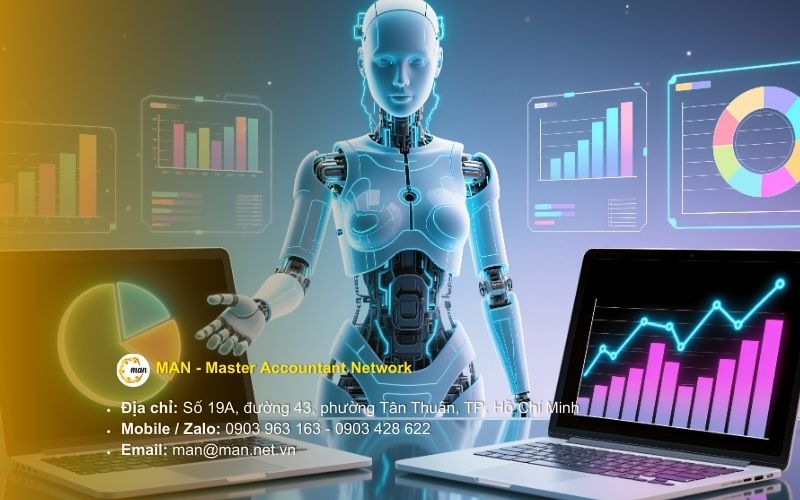
Ngành kiểm toán thế giới đang chứng kiến sự chuyển dịch mạnh mẽ từ kiểm toán truyền thống sang kiểm toán dựa trên dữ liệu (Data-driven audit). Thay vì chỉ kiểm tra một phần nhỏ các giao dịch để đưa ra kết luận cho toàn bộ hệ thống, các giải pháp công nghệ hiện nay cho phép kiểm toán viên phân tích 100% tập dữ liệu, loại bỏ hoàn toàn rủi ro sai lệch do chọn mẫu.
Bước sang năm 2025, chuyên gia nhận định đây là giai đoạn tăng tốc của AI và Machine Learning trong lĩnh vực tài chính kế toán. Các hệ thống thông minh đã chuyển từ giai đoạn thử nghiệm sang thực thi hệ thống, trở thành cánh tay đắc lực hỗ trợ công nghệ kiểm toán tại các tập đoàn đa quốc gia. Việc thích nghi với công nghệ này không còn là lựa chọn mà là yêu cầu bắt buộc để đáp ứng các tiêu chuẩn báo cáo tài chính quốc tế mới, nơi mà tính minh bạch và độ trễ của thông tin được đặt lên hàng đầu.
Tổng quan về AI và Machine Learning trong lĩnh vực kiểm toán
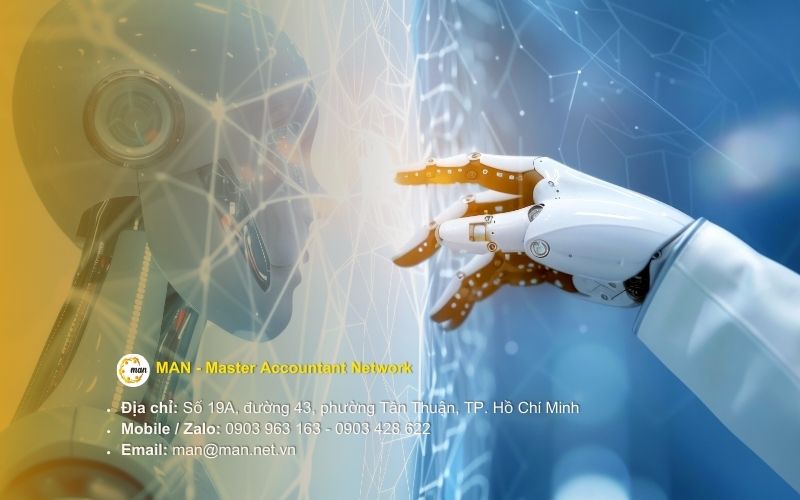
Để hiểu rõ về hỗ trợ công nghệ kiểm toán, chúng ta cần phân tích dưới góc nhìn chuyên gia về hai khái niệm then chốt là Trí tuệ nhân tạo (AI) và Học máy (Machine Learning). AI trong kiểm toán không phải là một thực thể thay thế con người, mà là một hệ thống hỗ trợ có khả năng mô phỏng các quy trình tư duy phức tạp để xử lý thông tin.
Trong quy trình này, AI hỗ trợ tối đa các tác vụ lặp lại, nhưng vai trò không thể thay thế của phán đoán nghề nghiệp con người vẫn là yếu tố quyết định. Kiểm toán viên sử dụng kết quả từ AI để đưa ra những quyết định mang tính chiến lược và đạo đức. Machine Learning, một nhánh của AI, đóng vai trò học hỏi từ các dữ liệu lịch sử để nhận diện các mô hình hành vi, từ đó đưa ra dự báo về các rủi ro tiềm ẩn trước khi chúng thực sự xảy ra.
Sự tiến hóa này tạo ra ranh giới rõ ràng giữa tự động hóa cơ bản (RPA) và kiểm toán thông minh. Dưới đây là bảng so sánh giúp quý độc giả phân biệt rõ các cấp độ công nghệ và khả năng kiểm soát hệ thống:
| Đặc điểm | Tự động hóa (RPA) | Kiểm toán thông minh (AI & ML) |
|---|---|---|
| Khả năng xử lý | Thực hiện theo các quy tắc có sẵn | Tự học hỏi và thích nghi với dữ liệu mới |
| Tính linh hoạt | Thấp, chỉ xử lý dữ liệu cấu trúc | Cao, xử lý được cả dữ liệu phi cấu trúc |
| Khả năng giải trình | Cao, dễ dàng truy xuất logic | Cần kiểm soát và giám sát chuyên sâu |
| Ra quyết định | Không có khả năng tự ra quyết định | Đưa ra gợi ý và phân loại rủi ro thông minh |
| Mục tiêu chính | Tăng tốc độ thực hiện tác vụ lặp lại | Nâng cao chất lượng phán đoán và phát hiện bất thường |
Lưu ý: Việc hiểu rõ sự khác biệt này giúp doanh nghiệp đầu tư đúng hướng vào các giải pháp hỗ trợ công nghệ kiểm toán thực sự hiệu quả thay vì chỉ dừng lại ở các phần mềm văn phòng cơ bản.
Các ứng dụng đột phá của AI hỗ trợ công nghệ kiểm toán
Tự động hóa xử lý và phân tích dữ liệu khổng lồ
AI đã thay đổi hoàn toàn khả năng xử lý thông tin của các đơn vị kiểm toán chuyên nghiệp. Thay vì mất nhiều tuần để đối chiếu thủ công, các thuật toán hiện đại có thể xử lý hàng triệu giao dịch trong thời gian thực. Điều này mang lại những thay đổi cụ thể sau:
- Khả năng bao quát toàn bộ giao dịch tài chính giúp loại bỏ các lỗi sai sót do con người trong quá trình nhập liệu hoặc tính toán.
- Công nghệ NLP (Xử lý ngôn ngữ tự nhiên) cho phép trích xuất dữ liệu tự động từ các hợp đồng pháp lý, hóa đơn và chứng từ phi cấu trúc một cách chính xác.
- Theo các báo cáo ngành năm 2025, việc áp dụng AI giúp giảm thiểu đáng kể tỷ lệ sai sót trong các tác vụ thâm dụng dữ liệu, giúp tăng độ tin cậy của hồ sơ kiểm toán.
Phát hiện gian lận và các điểm bất thường bằng thuật toán học máy
Một trong những ứng dụng quan trọng nhất của Machine Learning trong kiểm toán là khả năng nhận diện gian lận. Các phương pháp truyền thống thường dựa trên các dấu hiệu đã biết, trong khi AI có thể:
- Sử dụng Deep Learning để phát hiện các mô hình giao dịch bất thường hoặc các mối liên hệ ngầm giữa các tài khoản mà mắt thường khó nhận ra.
- Thiết lập hệ thống cảnh báo sớm dựa trên các biến số bất thường trong dòng tiền, giúp doanh nghiệp ngăn chặn thất thoát tài sản kịp thời.
- Phân loại mức độ rủi ro của từng khoản mục, cho phép kiểm toán viên tập trung nguồn lực và thời gian vào các khu vực trọng yếu có khả năng xảy ra sai sót cao nhất.
Kiểm toán thời gian thực và giám sát liên tục
Công nghệ AI đang thúc đẩy sự thay đổi tư duy từ kiểm toán sau sự kiện (post-audit) sang giám sát liên tục (continuous monitoring). Bằng cách tích hợp trực tiếp vào hệ thống ERP của doanh nghiệp, các giải pháp hỗ trợ công nghệ kiểm toán có thể:
- Thực hiện đối soát dữ liệu ngay lập tức khi giao dịch phát sinh, thay vì chờ đến cuối kỳ kế toán.
- Cung cấp cái nhìn tức thời về sức khỏe tài chính và mức độ tuân thủ của tổ chức.
- Giảm áp lực cho kỳ kiểm toán năm bằng cách phân bổ khối lượng công việc kiểm tra đều đặn trong suốt năm tài chính.
Lợi ích chiến lược khi triển khai công nghệ kiểm toán hiện đại
Việc đầu tư vào AI và Machine Learning mang lại những giá trị vượt xa việc tăng tốc độ làm việc. Đây là một chiến lược dài hạn giúp nâng cao vị thế của doanh nghiệp:
- Nâng cao độ tin cậy của báo cáo tài chính, tạo niềm tin vững chắc cho các nhà đầu tư, cổ đông và các cơ quan quản lý nhà nước.
- Tối ưu hóa chi phí vận hành nhờ giảm bớt các nguồn lực thủ công và cắt giảm thời gian thực hiện các quy trình đối soát định kỳ phức tạp.
- Chuyển đổi vai trò của kiểm toán viên từ người kiểm tra dữ liệu thành chuyên gia tư vấn chiến lược, hỗ trợ ban lãnh đạo trong quản trị rủi ro và ra quyết định.
Theo các khảo sát từ các hãng tư vấn quốc tế năm 2025, khoảng 72% doanh nghiệp đã bắt đầu ứng dụng AI trong báo cáo tài chính và con số này dự kiến đạt 99% trong 3 năm tới. Điều này cho thấy sự cấp thiết của việc cập nhật công nghệ để không bị bỏ lại phía sau trong cuộc đua minh bạch thông tin.
Thách thức và lộ trình thích ứng cho kiểm toán viên năm 2025
Mặc dù hỗ trợ công nghệ kiểm toán mang lại nhiều lợi ích, nhưng quá trình triển khai không tránh khỏi những rào cản nhất định mà các tổ chức cần lưu ý.
Rào cản về hạ tầng dữ liệu và bảo mật thông tin
Chất lượng của kết quả AI phụ thuộc hoàn toàn vào dữ liệu đầu vào. Nếu dữ liệu bị phân mảnh hoặc không chính xác, hệ thống sẽ đưa ra các kết luận sai lệch. Bên cạnh đó, các doanh nghiệp còn đối mặt với:
- Thách thức trong việc bảo mật các dữ liệu tài chính nhạy cảm khi sử dụng các mô hình AI trên nền tảng điện toán đám mây.
- Cần thiết lập khung quản trị mô hình AI (AI governance) chặt chẽ để đảm bảo tính khách quan và tuân thủ các quy định pháp luật.
Yêu cầu về kỹ năng mới cho đội ngũ kiểm toán
Kiểm toán viên trong kỷ nguyên mới cần được tái đào tạo để làm chủ công nghệ. Các yêu cầu về năng lực hiện nay bao gồm:
- Khả năng hiểu và giám sát các hệ thống phân tích dữ liệu phức tạp thay vì chỉ nắm vững nghiệp vụ kế toán thuần túy.
- Phát triển tư duy phản biện để đánh giá tính hợp lý của các kết quả do AI cung cấp, tránh tình trạng tin tưởng tuyệt đối vào máy móc mà bỏ qua các yếu tố ngữ cảnh thực tế.
Tương lai của ngành kiểm toán dưới tác động của công nghệ AI
Trong tương lai gần, chúng ta sẽ thấy một sự cộng tác hoàn hảo hơn giữa trí tuệ nhân tạo và đạo đức nghề nghiệp con người. AI sẽ xử lý phần số liệu, còn con người sẽ xử lý phần ý nghĩa và trách nhiệm. Các chuẩn mực kiểm toán mới chắc chắn sẽ được thiết lập để quản lý và định hướng cho các hệ thống AI tự trị, đảm bảo mọi kết quả đưa ra đều có thể giải trình và minh bạch. Tuy nhiên, vai trò của kiểm toán viên trong việc đưa ra phán quyết cuối cùng dựa trên các yếu tố định tính và đạo đức nghề nghiệp vẫn luôn là nền năng không thể thay thế.
Kết luận về vai trò của AI và Machine Learning trong kiểm toán
Hỗ trợ công nghệ kiểm toán bằng AI và Machine Learning không còn là một dự báo về tương lai mà đang diễn ra mạnh mẽ ngay tại thời điểm hiện tại. Việc chủ động đầu tư vào hạ tầng dữ liệu, đào tạo nhân sự và xây dựng quy trình kiểm toán thông minh là con đường duy nhất để các doanh nghiệp nâng cao tính minh bạch và hiệu quả vận hành. Trong kỷ nguyên số 2025, công nghệ chính là chìa khóa mở ra sự tin cậy bền vững cho mọi báo cáo tài chính.
Thông tin liên hệ MAN – Master Accountant Network
- Địa chỉ: Số 19A, đường 43, phường Tân Thuận, TP. Hồ Chí Minh
- Mobile/Zalo: 0903 963 163 – 0903 428 622
- Email: man@man.net.vn
Các dịch vụ khác
- Kiểm toán: Dịch vụ Kiểm Toán, Dịch vụ Kiểm toán xây dựng, Dịch vụ kiểm toán BCTC
- Kế toán và Thuế: Dịch vụ kế toán thuế, Báo cáo thuế, Tư vấn Chuyển giá. Dịch Vụ Kế Toán Thuế, Dịch vụ báo cáo thuế, Dịch vụ Chuyển Giá, Dịch Vụ Giao Dịch Liên Kết
- Pháp lý: Dịch vụ giấy phép lao động, Dịch vụ chứng nhận đăng ký kinh doanh, Giấy Chứng Nhận Đầu Tư
- Khác: Dịch vụ Chuyển Giá, Dịch Vụ Giao Dịch Liên Kết, Dịch vụ Tư vấn Hoạt động Doanh nghiệp
Phụ trách sản xuất nội dung bởi: Ông Lê Hoàng Tuyên – Sáng lập viên (Founder) & CEO MAN – Master Accountant Network, Kiểm toán viên CPA Việt Nam với hơn 30 năm kinh nghiệm trong ngành Kế toán, Kiểm toán và Tư vấn Tài chính.