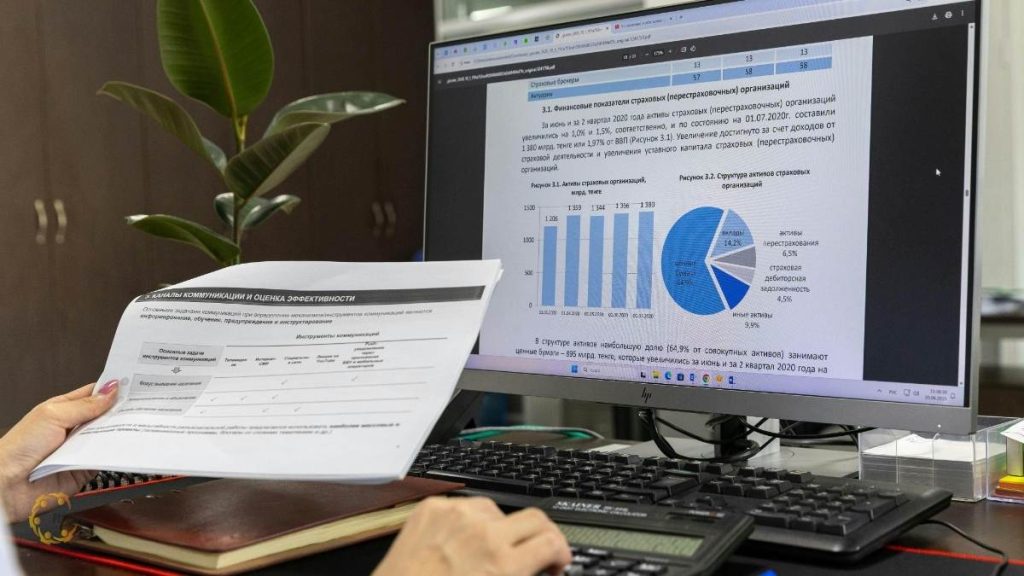
The purpose of auditing financial statements is a matter of particular concern to business owners, investors, and regulatory bodies in an economy that demands high transparency. Law on Independent Auditing No. 67/2011/QH12Auditing is not simply about checking figures; it's also a "shield" protecting the integrity of financial information against potential errors or fraud.
In reality, businesses with financial statements audited by reputable organizations are generally more likely to raise capital than the average. Understanding the purpose of financial statement audits helps management strengthen internal governance systems and ensure strict compliance with regulations. Circular 200/2014/TT-BTC or Circular 133/2016/TT-BTC Regarding the current accounting system, let's explore the core values that this practice brings in detail below.
What is the purpose of auditing financial statements and what is the legal basis in Vietnam?
To thoroughly answer the question of why financial statement audits are conducted, we need to look at the current legal regulations. In Vietnam, auditing is not only a self-driven need of businesses but also a mandatory obligation for certain types of entities according to Decree 17/2012/ND-CP.

Auditing activities help to confirm whether reports comply with Vietnamese Accounting Standards (VAS). This is the highest legal basis for stakeholders to have confidence in the financial health of an economic entity.
Entities required to have their financial statements audited
According to Article 37 of the Law on Independent Auditing, the following entities are required to undergo annual audits:
- Foreign direct investment (FDI) enterprises.
- Credit institutions are established and operate in accordance with the Law on Credit Institutions.
- Financial institutions, insurance companies, reinsurance companies.
- Public companies, securities issuers, and securities trading organizations.
The purpose of auditing financial statements as required by regulations.
Purpose of audit of financial statements In the eyes of lawmakers, the purpose of auditing is to create fairness in the market. Auditing prevents fraudulent practices through the falsification of financial records, thereby protecting the rights of minority shareholders and the national budget by accurately determining tax obligations.
Verify the accuracy and reasonableness of financial data.
The first value when discussing the purpose of auditing financial statements is the confirmation from an independent third party. Auditors will provide an opinion on whether the financial statements fairly and reasonably reflect the financial position in all material respects.
In this context, "fairness" refers to the consistency between the information in the report and the objective reality of the economic transactions that occurred. Meanwhile, "fairness" requires that accounting estimates and recording methods comply with the applicable financial reporting framework.
| Evaluation index | The significance of auditing | Benefits |
| Existence | Verify the actual existence of assets and liabilities. | Prevent asset loss. |
| Completeness | Ensure that no transactions are overlooked. | Accurately reflects the scale of the business. |
| Rights and obligations | Confirming the unit's ownership of assets. | Legal security of assets |
| Presentation and explanation | The information is clearly categorized and easy to understand. | Improve investor reading comprehension skills. |
Through procedures such as document reconciliation, bank confirmation letters, and physical inventory checks, auditors help businesses answer the question of "what is the purpose of auditing financial statements" with "clean" and reliable figures.
What is the role of auditing financial statements in enhancing investor confidence?
In the capital market, trust is the most valuable asset. So what is the purpose of auditing financial statements if not to build trust with strategic partners? When a company publishes audited financial statements, it is an affirmation of transparency and professionalism in its management.
Attracting foreign investment
Foreign investors entering Vietnam often set the following as a prerequisite: financial reports They must be audited by reputable units within the MAN – Master Accountant Network. This helps them reduce information risk and provides a basis for more accurate business valuation in M&A transactions.
Confidence from credit institutions and banks
If you're wondering why financial statements are audited when applying for loans, the answer is to optimize your credit profile. Banks will use the audited report to assess the company's ability to repay debts and its cash flow, thereby determining the loan limit and preferential interest rate.
Detecting and preventing errors and fraud in accounting.
One of the most practical objectives of financial statement auditing is to act as a "gatekeeper." Even the most rigorous accounting systems are susceptible to unintentional errors or deliberate fraudulent activities by personnel.
Auditors use in-depth risk analysis methods to identify anomalies in cash flow or unreasonable fluctuations in expenses. Early detection of these errors helps businesses avoid heavy administrative penalties from tax authorities or lawsuits from shareholders.
- Error: These are unintentional errors in calculations, data entry, or the incorrect application of accounting policies due to a lack of understanding.
- Cheat: These are intentional acts of falsifying information to conceal losses or to improve financial performance.
Understanding the purpose of financial statement audits helps management establish more effective control mechanisms, thereby building an honest and sustainable business environment.
Improve internal control and risk management systems.
Many business owners often think of audits as simply checking past figures, but in reality, auditing financial statements serves a broader purpose, aiming for the future. After each audit, auditors typically include a "Management Letter."
This document points out weaknesses in the internal control system and offers specific recommendations for improvement. For example, auditors may find that the procurement approval process is lax, easily leading to budget losses.
Optimizing operational processes
By evaluating the effectiveness of processes, auditing helps businesses streamline their operations and eliminate unnecessary intermediate steps. This is the answer to the question of why financial statement audits are necessary for the goal of optimizing profits.
Identifying potential business risks
Auditing is not just about looking at numbers; it's about looking at the business environment. Auditors help businesses identify liquidity risks, market risks, or legal compliance risks that management may have overlooked.
What is the purpose of auditing financial statements in the tax settlement process?
For businesses in Vietnam, tax risks are always a constant concern. So, what is the purpose of auditing financial statements in relation to the tax authorities? A thoroughly audited financial statement will be a solid foundation for filing corporate income tax (CIT) and value-added tax (VAT).
Auditors will review non-deductible expenses, invoice errors, and advise businesses on how to make adjustments in accordance with tax management laws. This helps minimize tax arrears and late payment penalties when tax authorities conduct inspections.
Ensuring consistency of tax data.
The figures in financial statements and tax returns must be consistent or clearly explained through adjustment statements. What is the purpose of auditing financial statements if not to ensure that the business is paying taxes "correctly and fully," and to protect the entity's reputation before the law?
Assisting in providing explanations to authorities.
With the intervention of experts from MAN – Master Accountant Network, businesses will be more confident in explaining complex transactions to tax audit teams, thanks to a standardized audit documentation system that meets international standards.
Supporting accurate and timely economic decision-making.
Business leaders need information to navigate their business. The purpose of financial statement audits is to provide a "compass" for managers. A verified set of data eliminates information distortions, allowing CEOs to see the true picture of profitability and financial safety margins.
Business performance analysis
Based on audit reports, financial indicators such as ROE, ROA, and gross profit margin are what truly matter. If the figures are inflated, investment expansion decisions could lead to bankruptcy due to a shortfall in actual cash flow.
Business valuation in mergers and acquisitions
In M&A transactions, the purpose of auditing financial statements is a crucial question that determines the value of the deal. The buyer will only agree to invest when hidden debts and fictitious assets have been clarified by the auditors.
Why choose MAN – Master Accountant Network for your auditing services?
Understanding the purpose of financial statement audits is one thing, but finding a professional partner is another. At MAN, we provide comprehensive audit solutions that help businesses not only comply with the law but also increase their intrinsic value.
With a team of experienced professionals possessing in-depth knowledge of Vietnam's tax system and accounting standards, MAN is committed to providing a transparent, objective audit process and ensuring the absolute confidentiality of client information.
Professional audit process at MAN
MAN's professional audit process is built on auditing standards, focusing on transparency and practical value for businesses. Each stage is meticulously designed, from the initial survey to the issuance of the final report, to identify material risks and support management in improving financial management quality. This approach helps businesses not only meet legal compliance requirements but also proactively control risks and optimize operational efficiency.
- Survey and planning: Understand the specifics of the business to focus on key risk areas.
- Conduct a site inspection: Review documents, conduct an inventory of assets, and confirm balances.
- Compilation and drafting of the report: Discuss the issues that have been identified with the management team.
- Official report released: Provide independent audit opinions and management letters.
Increased benefits for customers
By using our services, businesses not only answer the question of why financial statement audits are necessary, but also receive support in tax consulting, optimizing financial structure, and staying updated on the latest legal policies.
Conclude
The purpose of financial statement auditing is no longer a foreign concept; it has become an essential requirement for businesses to survive and thrive in the digital age. It is the most effective tool for protecting the legitimate interests of owners, building strong trust with the market, and ensuring absolute compliance with regulatory authorities. Investing in auditing is not an expense, but an investment in long-term financial transparency and security.
If you are looking for a reputable consulting firm to handle this financial statement auditing servicesContact MAN – Master Accountant Network today. We are proud to be a leading network of experts, ready to support your business in the fields of auditing, tax accounting, and financial management. Let MAN accompany you on your journey to affirm your value and reach international standards.
Service contact information at MAN – Master Accountant Network
- Address: No. 19A, Street 43, Tan Thuan Ward, Ho Chi Minh City
- Mobile/Zalo: 0903 963 163 – 0903 428 622
- Email: man@man.net.vn
Content production by: Mr. Le Hoang Tuyen – Founder & CEO MAN – Master Accountant Network, Vietnamese CPA Auditor with over 30 years of experience in Accounting, Auditing and Financial Consulting.
Frequently Asked Questions about Financial Statement Audits: What are they for?
Do small businesses need to have their financial statements audited?
Although not mandatory, small businesses should still get audits to standardize their accounting systems from the outset, building credibility with banks when they need to borrow capital to expand production.
When is the best time to conduct an audit?
Typically, businesses begin conducting audits in the first quarter of each year to meet the reporting deadline for regulatory authorities on March 31st. However, conducting mid-year audits is also crucial for early detection of errors.
What is the purpose of auditing financial statements when a business is operating at a loss?
Auditing when losses occur helps to accurately determine the amount of losses that can be carried forward to subsequent years to reduce corporate income tax, and also helps business owners find the root causes of the losses.
What criteria are used to calculate audit fees?
Audit fees depend on the size of the business, the complexity of the transactions, the number of branches, and the quality of the existing internal control system.
Are the audit results acceptable to all parties?
If the report is prepared by legally licensed and reputable entities like MAN, the results will be fully trusted by banks, investors, and tax authorities.