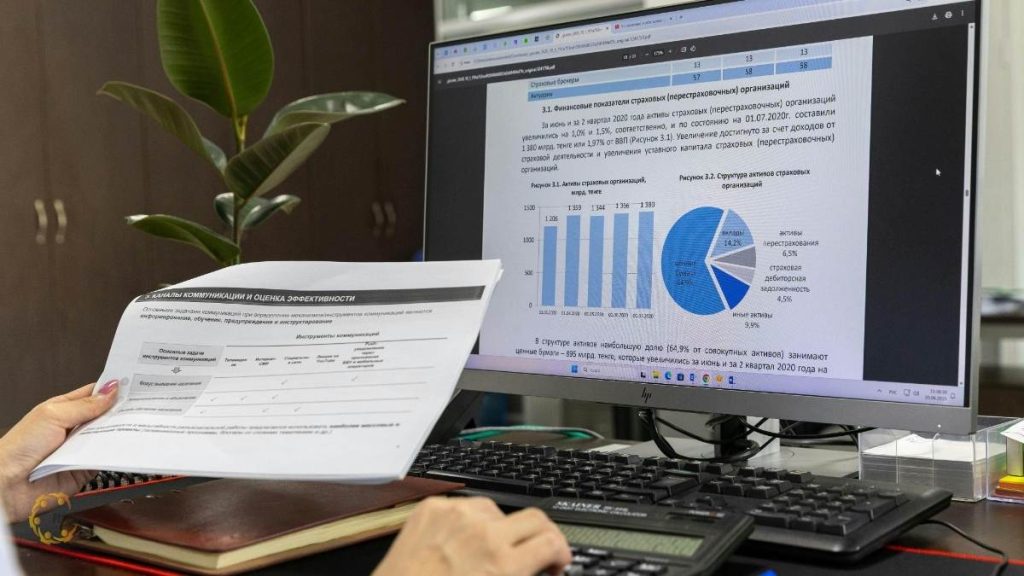

Internal corporate auditing is an independent, objective evaluation and advisory activity designed to add value and improve an organization's operations. In the context of Vietnam's increasingly integrated economy, establishing an internal audit system is no longer an option but a pressing requirement to ensure transparency and legal compliance.
According to data from the General Statistics Office, the number of businesses dissolved due to financial irregularities and poor governance is on the rise. Specifically, Decree 05/2019/ND-CP It has become officially mandatory for many types of businesses to implement this department. This demonstrates the importance of internal auditing in protecting the assets and reputation of legal entities against market fluctuations.
Legal basis for internal auditing in enterprises in Vietnam

Implementing internal audits within a business must be based on a robust legal framework to ensure its effectiveness. Currently, Accounting Law 2015 And Decree 05/2019/ND-CP are the two core documents that directly regulate this activity at the units.
Which entities are required to establish internal audit?
According to Article 10 of Decree 05/2019/ND-CP, the following subjects are required to perform the work. internal audit:
- Companies listed on the stock market.
- Enterprises in which the state holds more than 50% of the charter capital are parent companies operating under a parent-subsidiary model.
- State-owned enterprises are parent companies operating under a parent-subsidiary model.
Functions and responsibilities as outlined in the guiding circular.
Circular 66/2020/TT-BTC specifies the model regulations for this department. Internal audit activities of enterprises focus on checking the appropriateness and effectiveness of... internal control systemAt the same time, this department also assesses compliance with current financial and tax regulations.
The importance of internal auditing in corporate financial management.
The role of internal auditing in a business extends beyond simply detecting errors. It also aims to predict and prevent potential risks to the management system.
Protecting assets and preventing fraud.
An auditing system helps identify gaps in spending and inventory management processes. Through regular reconciliation, businesses can minimize losses by up to 30% in unreasonable budget allocations. This significantly optimizes financial resources.
Ensuring the accuracy of financial reports.
Before conducting an independent audit, an internal audit helps review the accounting transactions that have occurred. This helps minimize material errors. At the same time, it ensures that tax records are always ready for presentation to the authorities.
| Comparative index | There is an internal audit. | There is no internal audit. |
| Reporting error rate | < 5% | 15% – 25% |
| Fraud detection capabilities | High (Active) | Low (Passive) |
| Risk management costs | Short | Very high |
| Level of trust from the bank | 9/10 | 5/10 |
International standard procedures for conducting internal audits in businesses.

To maximize the effectiveness of internal corporate audits, experts often apply the five-step process outlined in Standard IIA. This process standardizes the audit steps, from planning to monitoring and corrective action.
Risk-based audit planning
Identifying high-risk areas such as procurement or sales is a top priority. The annual plan must be formally approved by the Board of Directors or the Supervisory Board. This ensures that audit resources are focused appropriately.
Conduct on-site inspection procedures.
Auditors will use methods such as observation, interviews, and direct document verification. During this phase, internal audits focus on the authenticity of transactions. Economic transactions must be recorded in the correct accounting period.
Evaluating and analyzing the results
After gathering evidence, auditors analyze the discrepancies between reality and regulations. Findings must be supported by specific data. The accompanying documentation is crucial for reaching the most objective conclusions.
Prepare an internal audit report.
The report should clearly state: the current situation, corresponding risks, and specific corrective recommendations. This is the most important internal legal document. It demonstrates the competence and value of the control department to the Executive Board.
Post-audit follow-up
The final step is to monitor the implementation of the recommendations stated in the previous report. Without this step, the value of internal auditing in a business will be diminished. Errors will not be thoroughly corrected and are likely to recur.
Distinguishing between internal corporate auditing and independent auditing.

Many managers often confuse these two types. However, they have distinct differences in purpose and the primary target audience they serve within the business.
Differences in scope of work
Independent auditing focuses on the accuracy of financial reports for third parties such as banks and shareholders. Meanwhile, internal corporate auditing serves the purpose of governance and improving operational processes within the organization.
Differences in legality and frequency
Independent audits are typically conducted periodically, at the end of the fiscal year. In contrast, internal auditing is an ongoing process. This activity takes place daily or quarterly, depending on the size and risk profile of the entity.
Challenges in implementing internal audits in businesses.
Setting up this department is not easy, especially for small and medium-sized businesses. Cost and staffing barriers are often a difficult challenge for owners.
Shortage of highly skilled personnel.
To perform internal audits effectively, personnel need a deep understanding of accounting and tax law. In reality, the supply of personnel with CIA certification in Vietnam is quite limited. This makes it difficult to build a strong local team.
Independence is under threat.
If the audit department is under the direct supervision of those being audited, objectivity will be compromised. The optimal solution is to establish a direct reporting channel to the Board of Directors. This protects the integrity of the auditors.
Trends in the application of technology in corporate internal auditing.
In the age of technology, inspection activities are gradually shifting towards digitalization. This helps to improve the productivity and accuracy of inspections.
Utilize ERP software and Data Analytics.
Retrieving data from the system gives auditors an overall view of cash flow. Modern corporate internal audits use analytical tools to detect anomalies immediately. This helps prevent fraud in a timely manner.
Remote Auditing
Online auditing via cloud-based storage systems is becoming increasingly popular. This method saves approximately 20% in travel costs. At the same time, it allows for increased audit frequency without disrupting operations.
The impact of internal corporate audits on tax obligations.
The relationship between internal audit and tax authorities is very close. A good control system will help businesses avoid unnecessary and heavy administrative penalties.
Verify the validity of documents according to Circular 78/2021/TT-BTC.
Internal auditors will review the legality of generated electronic invoices. This ensures that deductible expenses during corporate income tax settlement are accurate. It gives businesses confidence when undergoing periodic tax audits.
Optimizing transfer pricing policies.
For multinational corporations, internal audit plays a crucial role in documenting transfer pricing. This activity ensures strict compliance with Decree 132/2020/ND-CP, thereby helping businesses avoid the risk of tax assessment.
Conclude
Internal auditing is a strong "shield" protecting an organization from financial and legal risks. Proper investment in this area helps build a sustainable governance foundation and increase trust with partners.
Understanding the challenges in building a control system, MAN – Master Accountant Network provides optimal solutions. auditing servicesWith a team of experts possessing in-depth knowledge of tax law, we are committed to helping businesses achieve transparency in their financial data. Contact MAN today for the most professional advice on your growth journey.
Other services
- Financial statement audit services
- Internal audit services
- Internal Control System Assessment Service
- Auditing services on request
- Professional tax audit services
- Construction auditing services
- Completed project settlement audit service
Service contact information at MAN – Master Accountant Network
- Address: No. 19A, Street 43, Tan Thuan Ward, Ho Chi Minh City
- Mobile/Zalo: 0903 963 163 – 0903 428 622
- Email: man@man.net.vn
Content production by: Mr. Le Hoang Tuyen – Founder & CEO MAN – Master Accountant Network, Vietnamese CPA Auditor with over 30 years of experience in Accounting, Auditing and Financial Consulting.
Frequently Asked Questions about Internal Auditing in Businesses
Do small businesses need to set up internal audit?
Although not mandatory, small businesses should still have dedicated sales control personnel to manage cash flow effectively. This gives business owners greater peace of mind regarding their assets.
What are the costs of running an internal audit department?
Costs vary depending on size. Outsourcing internal audit services is often more cost-effective than in-house auditing. This is a smart choice for many businesses today.
Do internal auditors have the authority to discipline employees?
No. Auditors only have the authority to recommend disciplinary actions based on evidence. The final disciplinary decision rests with the unit's competent human resources management authority.