

Review financial statements Business activities are increasingly being discussed in the context of stricter tax audits and a surge in mergers and acquisitions (M&A) in Vietnam during the 2026-2027 period. Accounting Law No. 88/2015/QH13Financial statements must accurately and fairly reflect the financial situation of the accounting entity, but in reality, not all businesses fully meet this requirement right from the initial bookkeeping stage.
Many business owners and investors question the reliability of financial statements and whether material misstatements or signs of fraud are being concealed behind aggregated figures. This article, developed from the practical perspective of our team of auditors, addresses this question. MAN – Master Accountant NetworkThis will provide a comprehensive explanation of the concept, legal basis, scope of application, and methods for identifying risks when conducting audits of corporate financial statements.
Summary of key aspects of auditing corporate financial statements.

Auditing corporate financial statements is the process of reviewing and comparing accounting data with original documents to verify the accuracy of the balance sheet, income statement, and cash flow statement. This activity helps detect accounting errors, signs of fraud, and risks of violating tax obligations.
The applicable parties include tax authorities, independent auditors, internal accountants, and investors evaluating M&A transactions. Businesses should conduct this assessment periodically before annual tax settlement, or whenever there is a capital transfer transaction.
What does auditing a company's financial statements entail according to legal regulations?
According to the 2015 Accounting Law, financial statements are a system of economic and financial information presented in prescribed forms, reflecting the assets, capital, and operating results of an accounting entity during a period. Auditing a company's financial statements, in essence, is reviewing whether the report preparation process complies with current accounting standards and regulations.
It is necessary to clearly distinguish between two easily confused concepts. Auditing corporate financial statements is an internal review or a specific request activity; it is not required to comply with auditing standards and does not produce a legally binding report.
Meanwhile, the audit of financial statements is carried out by independent auditors according to Law on Independent Auditing No. 67/2011/QH12 and the Vietnamese Auditing Standards (VSA). The result is an official audit report, which can be used as legal basis before tax authorities, banks, or partners.
How does reviewing a company's financial statements differ from an internal audit?
Internal audit, according to Decree 05/2019/ND-CPInternal control system audits are routine activities performed by specialized departments within the company, focusing on evaluating the internal control system and risk management in general. Meanwhile, audits of a company's financial statements have a narrower scope, focusing directly on the accuracy of the figures in the financial statements at a specific point in time, often associated with tax settlement or transaction appraisal purposes.
What is the role of auditing corporate financial statements in financial and tax management?
An unverified financial report poses risks in all three aspects: legal compliance, credibility with partners, and business valuation. In terms of compliance, inaccurate figures can lead to incorrect tax declarations, resulting in back taxes and penalties under the Tax Administration Law No. 38/2019/QH14. In terms of credibility, inaccurate financial reports reduce the ability to access bank loans, as credit institutions always require audited or verified reports as a basis for credit limit assessment.
For M&A investors, the role of auditing a company's financial statements is even more crucial, as it is the direct basis for determining the value of the target company. A fictitious receivable worth several billion dong can inflate the company's valuation accordingly, and investors will end up paying more than the actual value if it is not detected in time during the due diligence phase.
Penalties may apply if financial statements contain undetected errors.
Inaccurate financial reporting not only affects the transparency of a business but also entails numerous legal risks. Depending on the nature and severity of the violation, businesses may face administrative penalties, tax arrears, or more severe sanctions as prescribed by law.
| Behavior/Case | Legal basis | Level of processing |
| Preparing financial reports that do not contain the required information and figures. | Decree 41/2018/ND-CP | Fines from 20,000,000 to 30,000,000 VND for the organization. |
| Errors related to tax declaration and determination of tax obligations. | Tax Administration Law | Bag Collect the outstanding tax amount., calculate late payment penalties and may be subject to administrative penalties for tax violations as prescribed by law. |
| The errors indicate serious tax evasion or tax fraud. | Criminal Code (if all elements of a crime are present) | It may be criminal prosecution According to regulations on tax evasion, the penalty depends on the nature and severity of the violation. |
Note: Timely detection and correction of errors during the audit process helps businesses minimize risks of penalties and tax arrears, and ensures the accuracy and fairness of financial statements before publication or submission to competent authorities.
Which entities are required or should conduct audits of corporate financial statements?

Not all businesses are legally required to have their financial statements audited, but proactively reviewing one's financial statements is appropriate for most types of businesses. Below are the specific groups of entities that should be considered.
- Foreign direct investment (FDI) enterprisesCredit institutions, public companies, and state-owned enterprises are subject to mandatory annual financial statement audits under the Independent Auditing Law.
- Small and medium-sized enterprises (SMEs) are not required to undergo audits, but they should conduct self-audits before submitting reports to the tax authorities to minimize the risk of being assessed for taxes during inspections.
- Individual or institutional investors evaluating a target business before an M&A transaction need to conduct independent checks and not rely solely on reports provided by the seller.
- The tax authorities conduct periodic or unscheduled inspections and audits as part of their annual tax risk management plan.
See more articles at: Top 10 Reputable and Professional Auditing Service Companies in Ho Chi Minh City
When does a business need to have its financial statements reviewed?
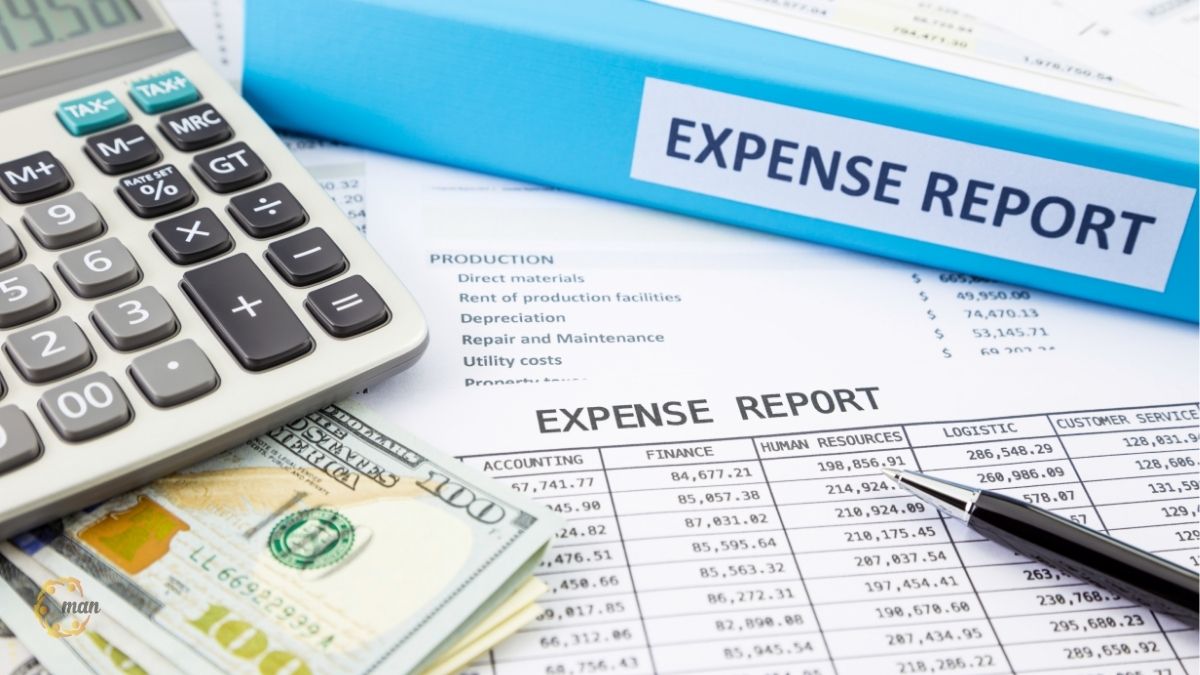
There are four times when businesses should proactively do this. First, before the annual tax settlement period, usually between January and March of the following year. Second, before submitting loan applications or issuing bonds. Third, immediately upon the intention to transfer capital, buy, sell, or merge businesses. Fourth, after major changes in accounting personnel, management software, or business model, as this is the period most prone to accounting errors.
Where can I find a company's financial statements before conducting a detailed audit?
Before delving into document verification, investors and tax authorities typically need a preliminary step: checking the company's published or submitted financial statements. The method of checking depends on the type of business.
For publicly traded companies, those listed on the stock exchange, quarterly, semi-annual, and annual financial reports are subject to mandatory disclosure requirements under securities law. Investors can freely search for this information directly on the information disclosure portal of the State Securities Commission, or on the systems of the Stock Exchanges where the shares are listed, by entering the stock code of the company they are looking for.
For private enterprises, limited liability companies, or unlisted joint-stock companies, financial statements are not publicly disclosed like the group above. The enterprise itself, or a party authorized by the enterprise, can access submitted financial declarations and reports through the tax authority's electronic tax system using the entity's tax identification number account. For this group of businesses, external investors generally do not have direct access to these documents, so the target enterprise should proactively provide financial statements during negotiations.
It's important to note that checking the records only helps confirm whether a business submitted its reports on time; it doesn't replace a thorough review of the company's financial statements in terms of content. A report submitted on time may still contain material errors or signs of fraud if it hasn't undergone a detailed review following the steps outlined above.
What legal documents regulate the auditing of corporate financial statements?
The auditing of corporate financial statements in Vietnam is governed by a fairly comprehensive legal framework, ranging from fundamental laws to specific operational guidelines. The table below summarizes the most important documents that accountants and investors need to be aware of.
Summary of legal documents regulating the inspection of corporate financial statements.
| Legal documents | Number and date of issuance | Related content |
| Accounting Law | No. 88/2015/QH13 | Regulations governing the principles of preparation and requirements for the accuracy and fairness of financial statements. |
| Law on Independent Auditing | No. 67/2011/QH12 | Regulations on independent auditing activities and auditor standards. |
| Tax Administration Law | No. 38/2019/QH14 | Regulations on tax declaration and settlement obligations and tax inspection authority. |
| Circular 200/2014/TT-BTC | December 22, 2014 | Guidelines for corporate accounting procedures and financial report templates. |
| Circular 133/2016/TT-BTC | August 26, 2016 | Accounting guidelines for small and medium-sized enterprises. |
| Decree 05/2019/ND-CP | January 22, 2019 | Regulations on internal auditing in businesses and government agencies. |
| Decree 41/2018/ND-CP | March 12, 2018 | Regulations on administrative penalties for violations in the field of accounting and independent auditing. |
| Vietnamese Auditing Standard VSA 240 | The Ministry of Finance issued | Auditor's responsibility for fraud during the audit of financial statements. |
Important note: Businesses and investors need to regularly update themselves on new guidance documents from the Ministry of Finance, as the Vietnamese accounting standards system is on track to align with International Financial Reporting Standards (IFRS) for the period 2025-2027, which may affect the presentation and recognition of certain items in financial statements.
Case Study: Examining Corporate Financial Statements to Identify Risks Before M&A
A consumer goods distribution group plans to acquire 70% shares of a trading company in the Southeast region. Before signing the agreement, the team from MAN – Master Accountant Network was invited to audit the target company's financial statements for the past three years.
The reconciliation process revealed that fourth-quarter revenue consistently surged compared to previous quarters, but cash flow from customers did not correspond. After a detailed examination of the documents, the audit team determined that the target company had recorded revenue for orders that had not yet completed delivery procedures, in order to meet the annual revenue target set by the board of directors. This misrecorded revenue amounted to over 18 billion VND, equivalent to nearly 91% of the annual revenue.
Thanks to this discovery, the investor requested an adjustment to the purchase price and the addition of an indemnification clause in the transfer contract, thus avoiding significant financial risk after the transaction was completed.
| Target | Before adjustment | After reviewing the company's financial statements. |
| Revenue for the year | 202 billion VND | 184 billion VND |
| Profit before tax | 24 billion VND | 16.5 billion VND |
| Business valuation (initial proposal) | 310 billion VND | 268 billion VND |
| Purchase price adjustment level | No adjustments | A decrease of approximately 13.5% |
Expert opinion: Common risks when auditing corporate financial statements.
Based on over 30 years of practical experience working with Vietnamese businesses, experts at MAN – Master Accountant Network have found that most errors do not stem from intentional fraud from the outset, but rather from pressure to meet business targets, leading accounting departments to be "flexible" in recording the timing of revenue and expenses.
Another common mistake is that businesses rely too heavily on their audited financial statements while neglecting to carefully read the notes to the financial statements, which often contain crucial information about contingent liabilities, long-term contractual commitments, or related-party transactions. From MAN's perspective, these notes sometimes reveal more risks than the balance sheet itself, yet they are rarely noticed by non-expert investors.
For businesses with cross-border transactions or multiple affiliated companies, optimizing tax costs in Vietnam should be done in parallel with auditing the company's financial statements, because unreasonable internal transfer pricing structures are one of the leading reasons why businesses have their taxable income reassessed by the tax authorities.
Conclude
Auditing a company's financial statements is not merely a formal accounting procedure, but a crucial tool that helps tax authorities determine financial obligations correctly, while also helping investors avoid erroneous decisions when valuing and acquiring businesses. Understanding the legal nature of the situation, familiarizing yourself with relevant regulations, and identifying risk indicators are the first steps in protecting your own financial interests.
If your business or investor needs a partner in reviewing and auditing financial statements or conducting financial due diligence for M&A transactions, MAN – Master Accountant Network is ready to assist with a team of experts boasting over 30 years of practical experience and in-depth knowledge of tax risk management in Vietnam. Contact MAN – Master Accountant Network for specific advice tailored to your business needs.
Other services
- Internal audit services
- Internal Control System Assessment Service
- Auditing services on request
- Professional tax audit services
- Construction auditing services
- Completed project settlement audit service
- Financial statement audit services
Service contact information at MAN – Master Accountant Network
- Address: No. 19A, Street 43, Tan Thuan Ward, Ho Chi Minh City
- Mobile/Zalo: 0903 963 163 – 0903 428 622
- E-mail: man@man.net.vn
- Google Business Profile: View MAN – Master Accountant Network's Google Business Profile
- LinkedIn Founder: View expert Le Hoang Tuyen's LinkedIn profile.
Responsible for production and professional content review by: Mr. Le Hoang Tuyen – Founder & CEO of MAN – Master Accountant Network, CPA Vietnam with over 30 years of experience in accounting, auditing, taxation, and corporate financial consulting.
Frequently Asked Questions about Auditing Corporate Financial Statements
How long does it take to review a company's financial statements?
For medium-sized businesses, the average lead time is two to three weeks. Businesses with multiple branches or subsidiaries may need four to six weeks.
Are small businesses required to have their financial statements audited?
It's not mandatory, unless it falls under a specific industry category as defined by separate regulations. However, small businesses should still proactively review their financial statements before tax settlement to reduce the risk of being subject to back taxes.
Who has the authority to conduct audits of a company's financial statements?
This may be due to the internal accounting department, a certified independent auditor, or the tax authorities in the case of inspections or audits as stipulated by the Law on Tax Administration.
How can you tell if a financial report shows signs of fraud or is just a common error?
The element of intent needs to be considered. Errors are often random occurrences and can be explained by operational mistakes, while fraud is usually systematic, repeated in a pattern to achieve a specific goal such as revenue or profit targets.
How does auditing a company's financial statements before an M&A differ from a regular audit?
Pre-M&A due diligence is broader in scope, often spanning several financial years, and focuses in depth on asset quality, contingent liabilities, and unusual transactions, directly contributing to the valuation of the business.